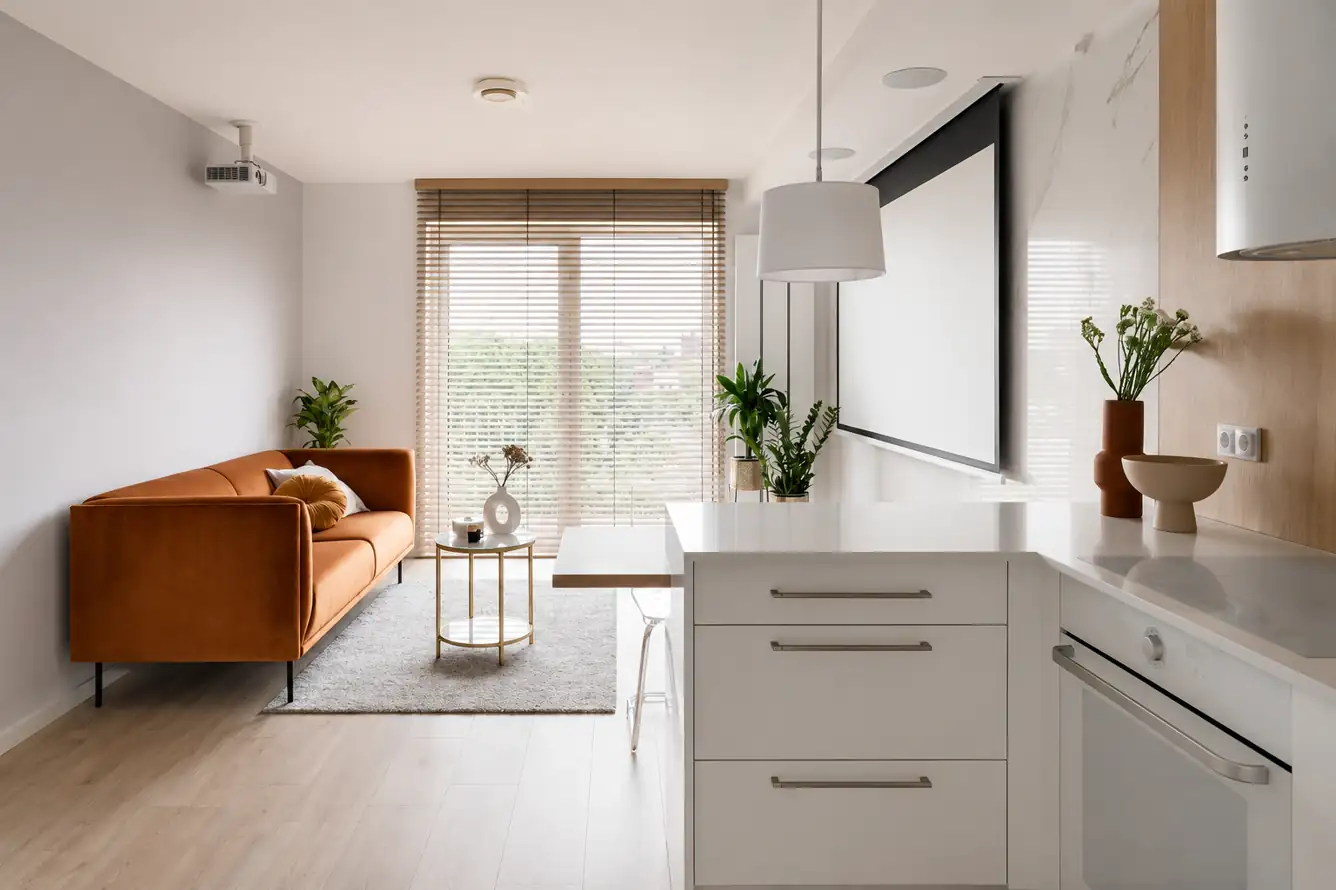
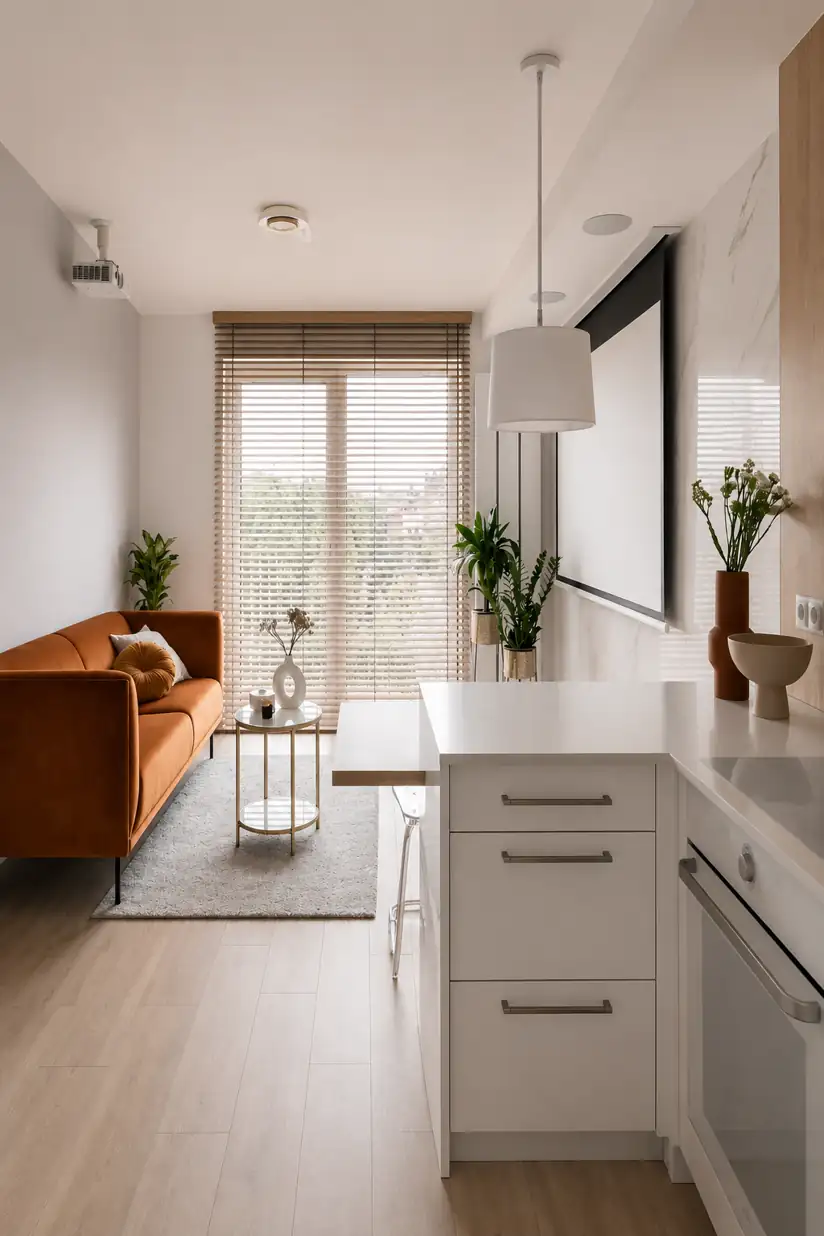



Simple house interior design often feels boring when rooms lack contrast, layered lighting, texture, and a clear focal point. The solution is not adding more decor, but making thoughtful choices around materials, tonal variation, lighting, and scale. By using texture, warm lighting, one strong design anchor, and a few personal elements, a simple home can feel calm, warm, and intentional rather than empty.
Simple interiors are genuinely hard to get right as they leave very little space to hide flaws. No layered pattern to distract from a poor layout, no collected objects to paper over weak material choices. When simple house interior design works, it looks effortless. When it does not, it just looks empty.
The good news is that the gap between a flat, lifeless room and a considered one is rarely about money or square footage. It is almost always about a small number of specific decisions that were either skipped or not thought through.
Most simple house interior design projects that end up looking boring share the same set of problems.
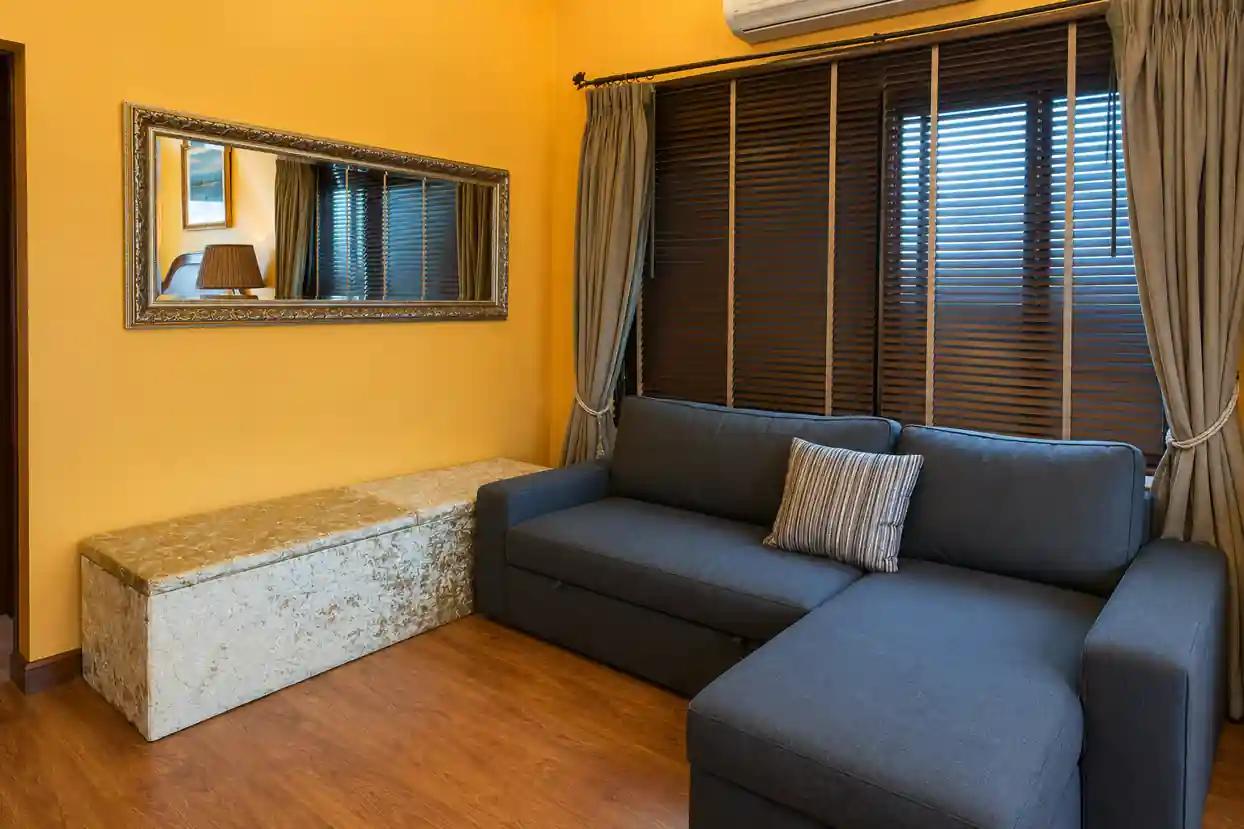
When walls, furniture, and floors are all in the same tonal range, the room lacks hierarchy. The eye does not know where to go. Everything reads at the same volume, which means nothing registers.
One overhead fitting in a simply furnished room is particularly damaging. It flattens every surface and removes the shadow and depth that make materials look interesting.
A room needs something to anchor it. Without one, the eye moves around and finds nothing to land on. The space reads as unresolved, regardless of how clean and tidy it is.
Neutrals work, but beige walls, a beige sofa, and a beige rug in the same flat finish are not a neutral palette. It is an absence of decision. Simple interior design for small houses often fails here, where the instinct to keep things light results in a room with no tonal variation whatsoever.
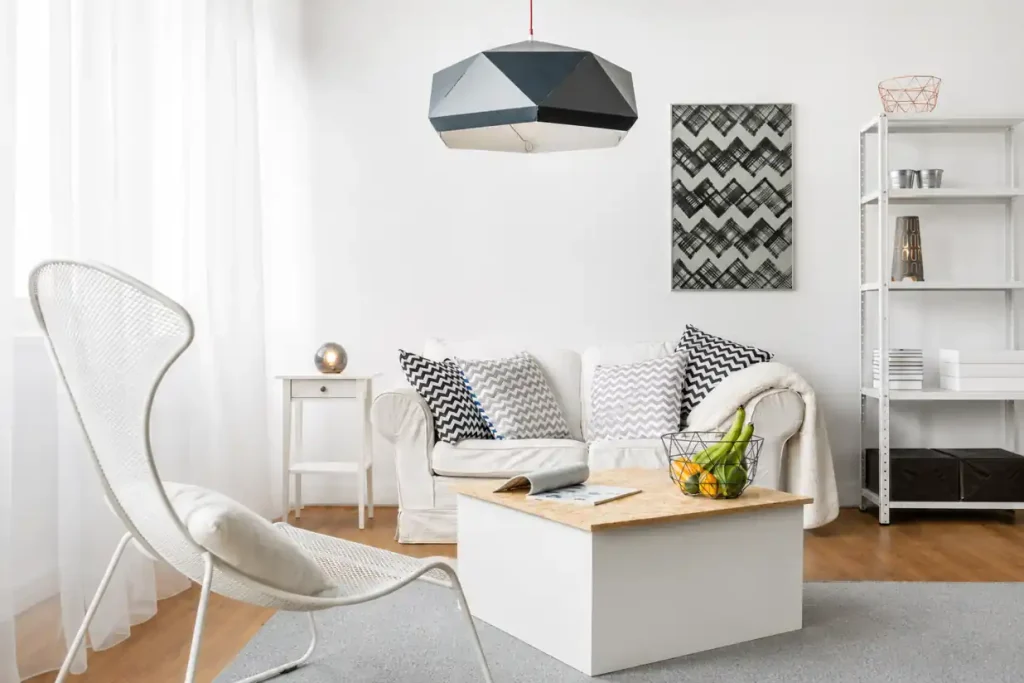
The solution to a boring, simple house interior design is not to add more things. It is to add more depth to what is already there.
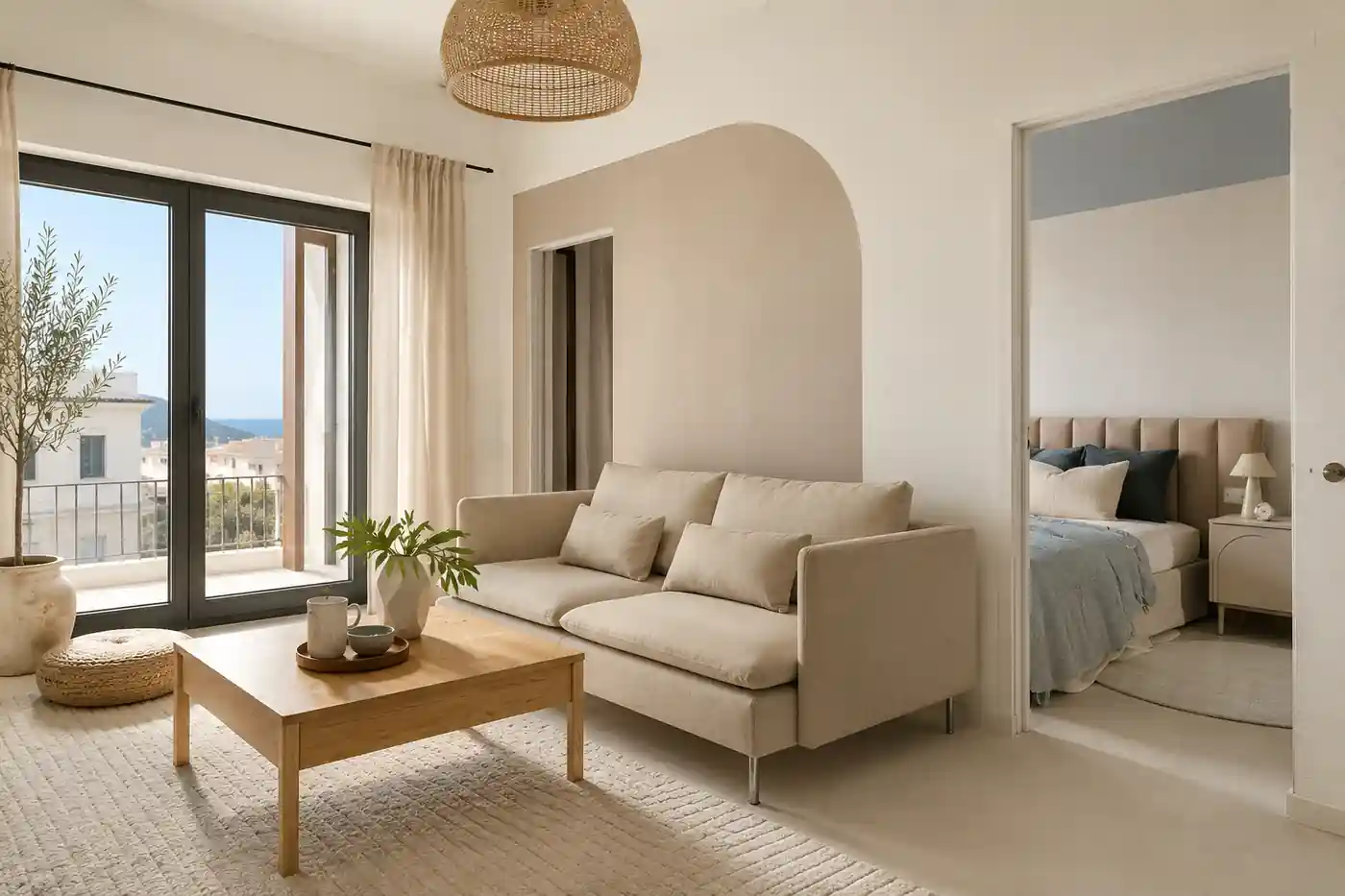
A linen sofa, a jute rug, a wooden side table, and a ceramic lamp can all operate within the same restrained palette while giving the eye four completely different surfaces to read. The room stays simple but stops feeling flat.
Instead of matching everything, work across a range. Warm white walls, a mid-tone greige sofa, a darker walnut table. The palette stays cohesive. The contrast gives the room dimension.
The best small house designs often have details that do the most work. This could be a cane headboard, a handmade ceramic pendant, or a single piece of rough-hewn stone on a shelf. One material with visible craft or texture changes how everything around it reads.
A simply furnished room is particularly dependent on good lighting because there is less in the room to compensate for poor light conditions.
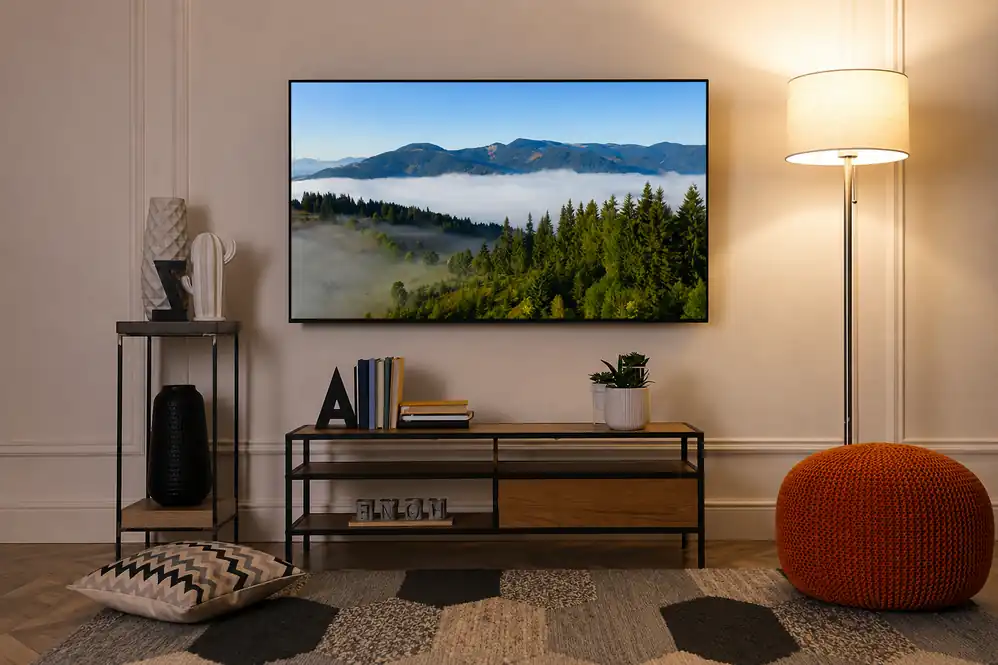
Floor lamps beside seating, a pendant over the dining table, a bedside reading light, and concealed strips under kitchen cabinets. Each source serves a different function, and together they give the room depth and warmth that a single overhead fitting cannot.
In apartments where natural light varies significantly by floor and orientation, warm-toned bulbs (2700K to 3000K) fill in where sunlight cannot always provide. Cool white light in a simply decorated room reads as clinical rather than clean.
A wall-wash fitting angled at a textured surface, a lamp placed low beside a plant, a backlit shelf. Shadow is not the absence of good lighting. In a simple house interior design context, it is what makes surfaces look three-dimensional.
A wall-wash fitting angled at a textured surface, a lamp placed low beside a plant, a backlit shelf. Shadow is not the absence of good lighting. In a simple house interior design context, it is what makes surfaces look three-dimensional.
Small home decor ideas for simple interiors work best when they follow a clear principle: one considered addition is worth more than five generic ones.
Simple house interior design that actually works requires the same level of design thinking as any other approach. The difference is that in a restrained interior, every decision is more exposed.
At Bonito Designs, we craft the best small house designs by working through the specific variables of the space first: natural light, floor plan, material palette, and how the household uses each room. Our Life Design philosophy means that simplicity is never just an aesthetic preference. It is a design response to how someone actually lives. A person who finds busy environments draining needs a home that delivers genuine calm, not just a room with fewer objects.
If your home feels flat and you are not sure why, book a consultation with Bonito Designs today.
Simple house interior design can look boring when there is no contrast, only one light source, no focal point, or too many similar neutral tones. These issues make a room feel flat and unresolved.
Use texture, tonal variation, and one or two standout materials. A linen sofa, a jute rug, a wooden table, or a ceramic lamp can add depth while keeping the room clean and minimal.
Layered lighting works best. Use a mix of floor lamps, pendants, bedside lights, cabinet lighting, and wall-wash lighting to create warmth, depth, and shadow.
Neutral colours work well, but they should not all be the same shade. Combine warm white, greige, walnut, beige, or soft earthy tones to create subtle contrast and dimension.
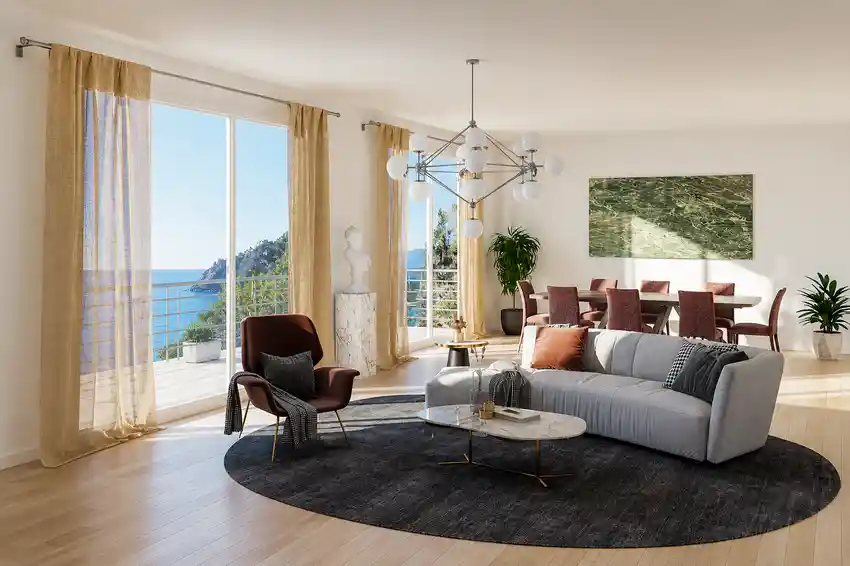
Add one well-scaled artwork, a large plant, textured cushions or throws, and intentional metal finishes. A few carefully chosen elements create more impact than many small decorative items.